
The MANA Blog
You feel it every time you skate: a nagging, pinching pain at the front of your hip that just won’t go away. Someone tells you to stretch your hip flexors. You start doing lunges, couch stretches, and pigeon pose before every practice. A few weeks later — you’re still hurting.
Here’s the uncomforta...
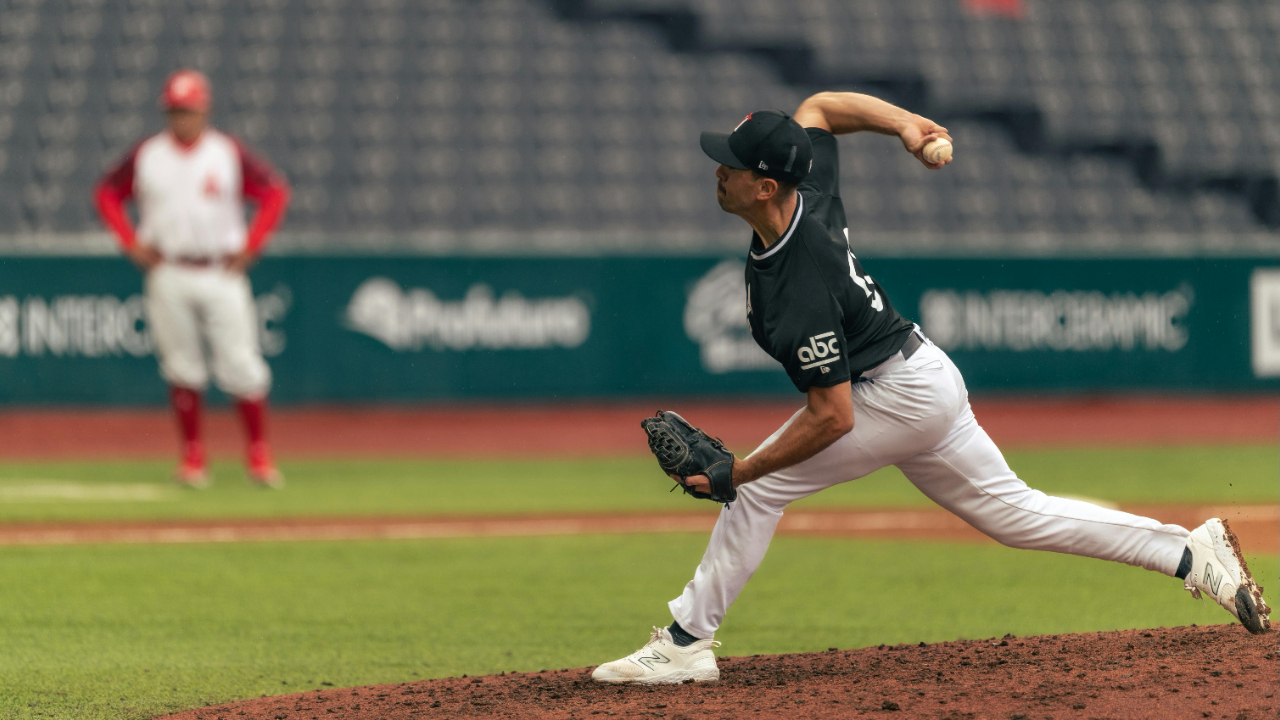
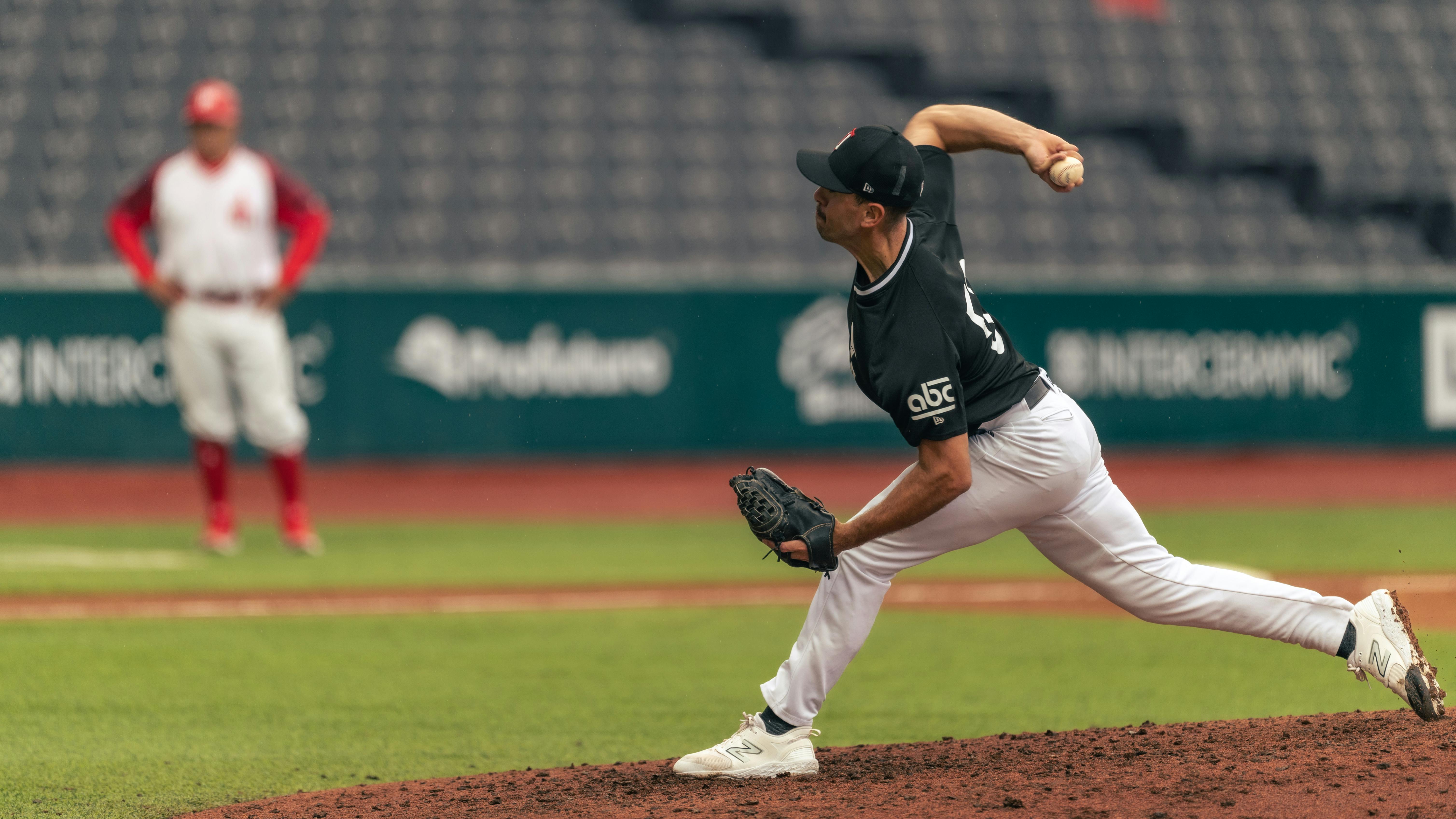
Why Controlling Extreme Shoulder Ranges of Motion Matters for Baseball Players

Low back pain is one of the most common complaints among golfers—weekend warriors and competitive players alike. And while it’s easy to blame the golf swing, the truth is usually more interesting (and more fixable): the low back often hurts because other parts of the body aren’t doing their job.
Tw...

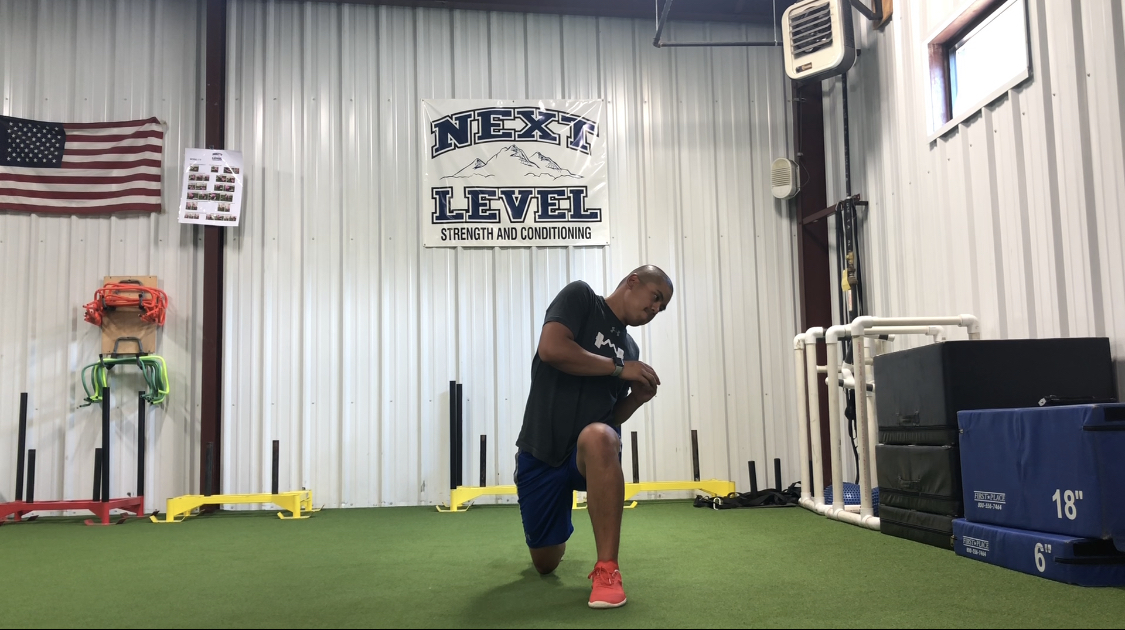
Mobility is just potential range, not usable range
Mobility gives you access to positions.
Your swing needs you to control and time those positions at full speed.
Think of it like owning a bigger garage. Cool — you can park two cars now. But that doesn’t mean you suddenly know how to drive a...
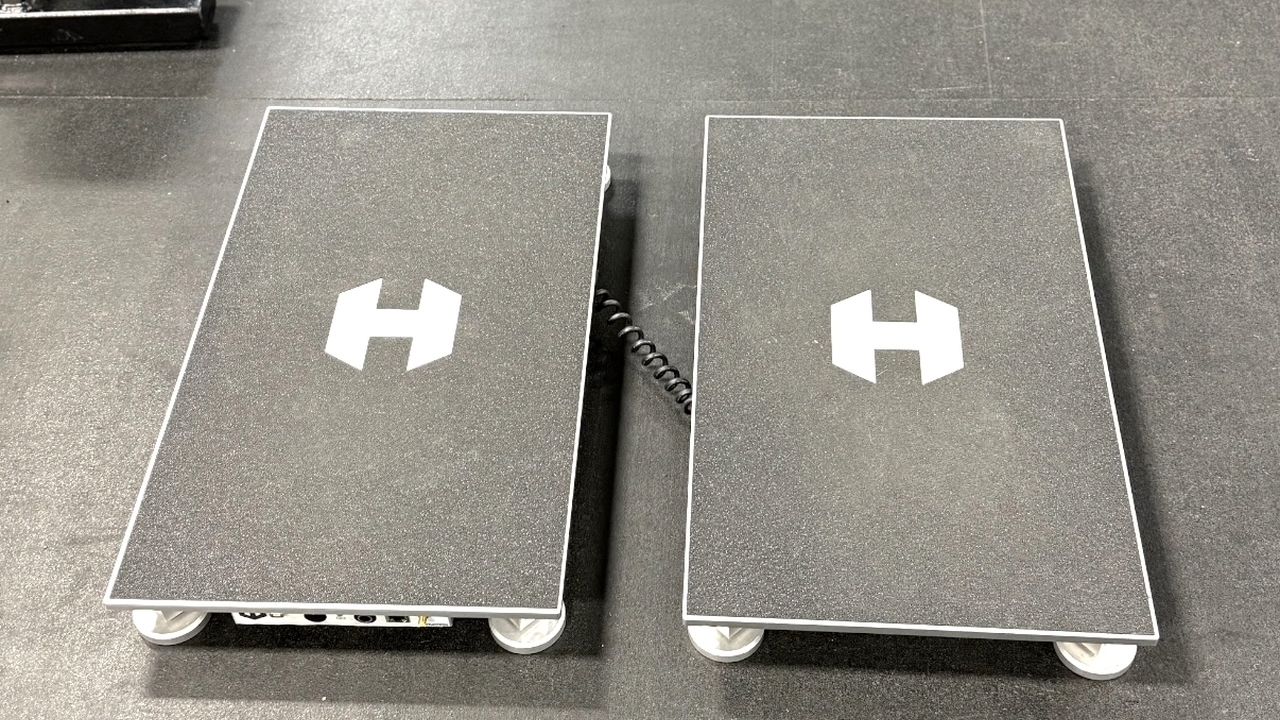
Building Better Golfers in the Offseason: How Hawkin Dynamics Force Plates Elevate Training at MANA Performance Therapy
At MANA Performance Therapy, we believe the offseason isn’t a break — it’s an opportunity. It’s when golfers can rebuild, refine, and prepare their bodies to perform at a higher l...
When the competitive or active golf season winds down, many golfers shift their attention to rest, recovery, and preparation for the next year. But the offseason isn’t just about taking a break—it’s the most valuable time to invest in your body, your movement quality, and your long-term performance ...
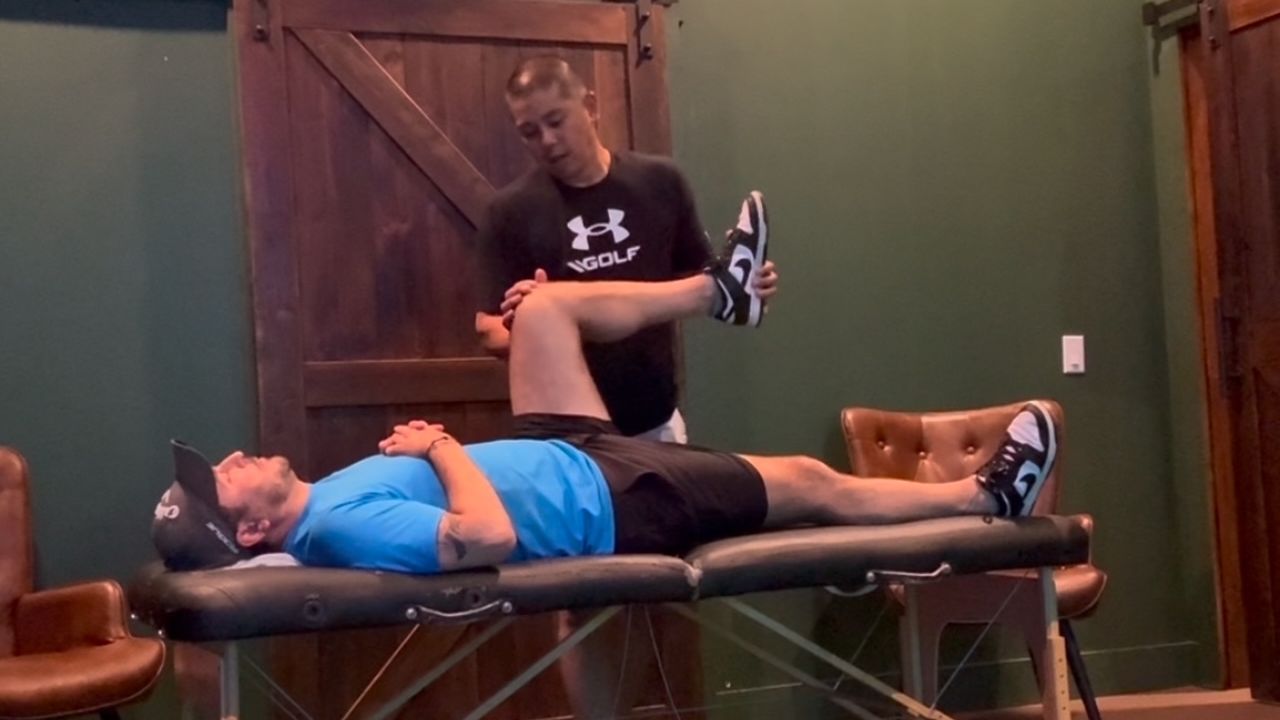
As the golf season winds down, many players see the offseason as a time to relax and step away from the game. While rest and recovery are essential, the offseason also presents a golden opportunity — a chance to make real, lasting improvements that will pay off once spring rolls around. The key to m...
“I’m just going to rest this winter — my shoulder, back, or elbow will feel better by spring.”
It’s an easy choice. After months of rounds, range sessions, and travel, rest feels earned. But here’s the truth: rest isn’t the solution — it’s a delay.
Because while time off may dull your symptoms...
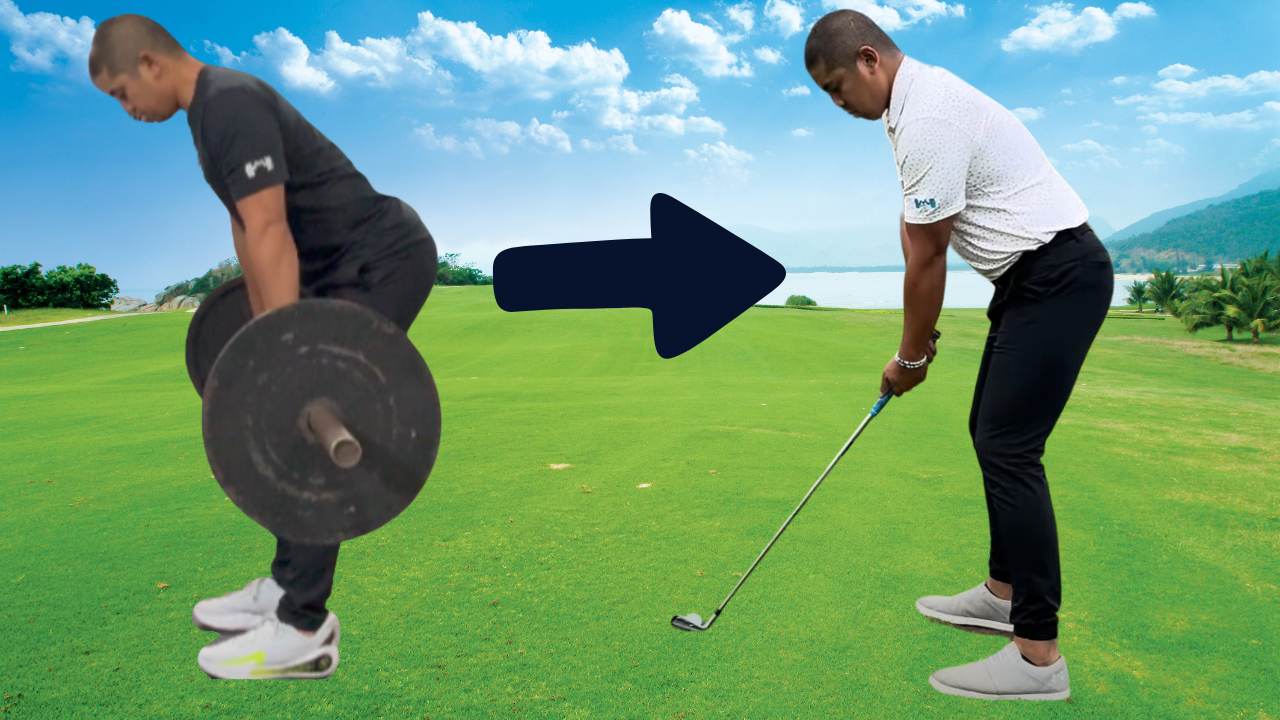
For most golfers, the offseason is seen as a time to rest and reset. But for those recovering from injury, the months between competitive play offer something even more valuable: an opportunity to rebuild, refocus, and return stronger than before. The right offseason training can make the difference...

In parts one and two of this blog we reviewed the pre-operative, early postoperative, and middle-stage rehab phases of FAI surgery. Part three will cover three key milestones in returning to sport: jumping, running, and return to sport clearance. While there are a number of other sport-related miles...

In part one of this blog we highlighted the pre-operative and early postoperative phase of FAI surgery. Part two will expand on the middle-stage of rehab.
The middle-phase begins at achieving the exit criteria of the early postoperative phase: a manageable level of symptom irritability in the hip w...

Athletic hip surgeries have been one of the fastest growing orthopedic procedures in sport in the past two decades.1 Although non-surgical management is the primary treatment for hip pain, a subset of individuals will require surgery to achieve a better outcome. FAI, or femoroacetabular impingement ...

